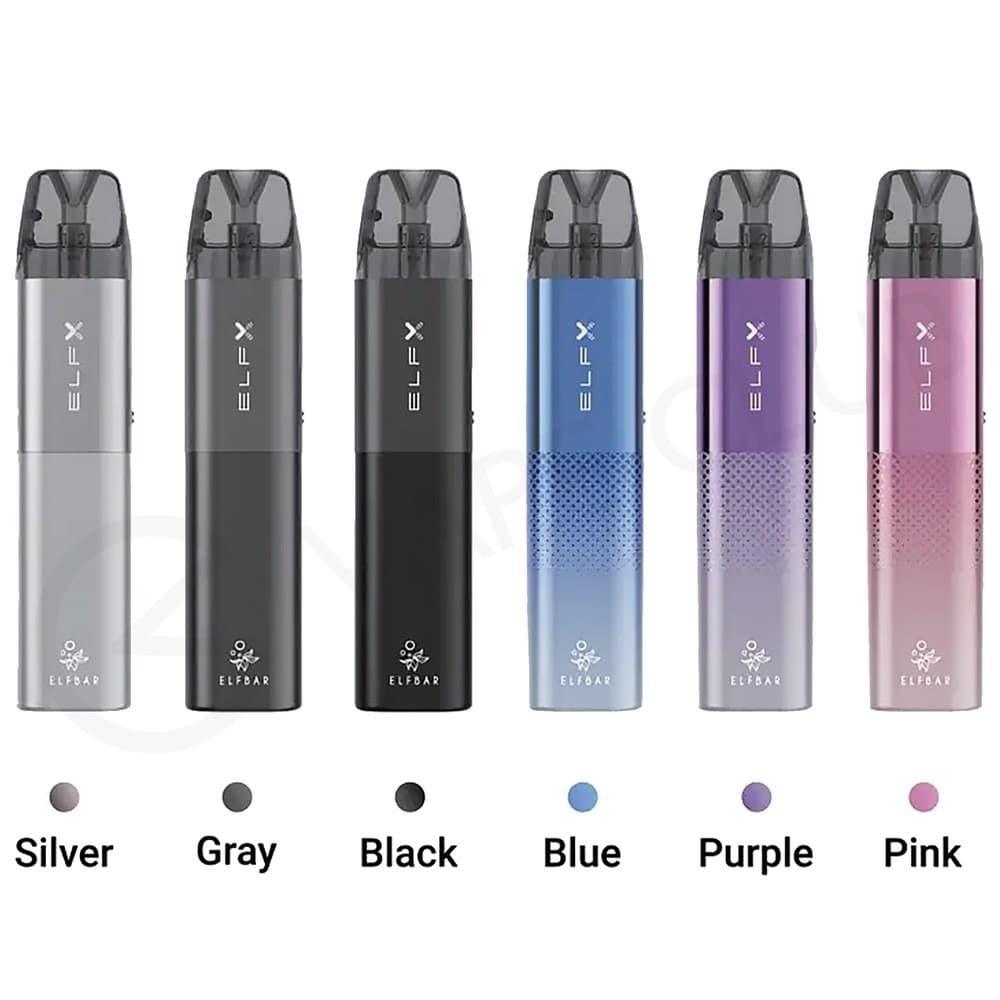
Overview: What Are Electronic Cigarettes?
Electronic cigarettes, commonly known as e-cigarettes or vapes, are battery-operated devices that simulate smoking by vaporizing a liquid, commonly containing nicotine, flavorings, and other chemicals. Due to these devices’ lithium-ion batteries, aviation authorities set specific rules regarding their transport—mainly to minimize fire or explosion hazards in flight.
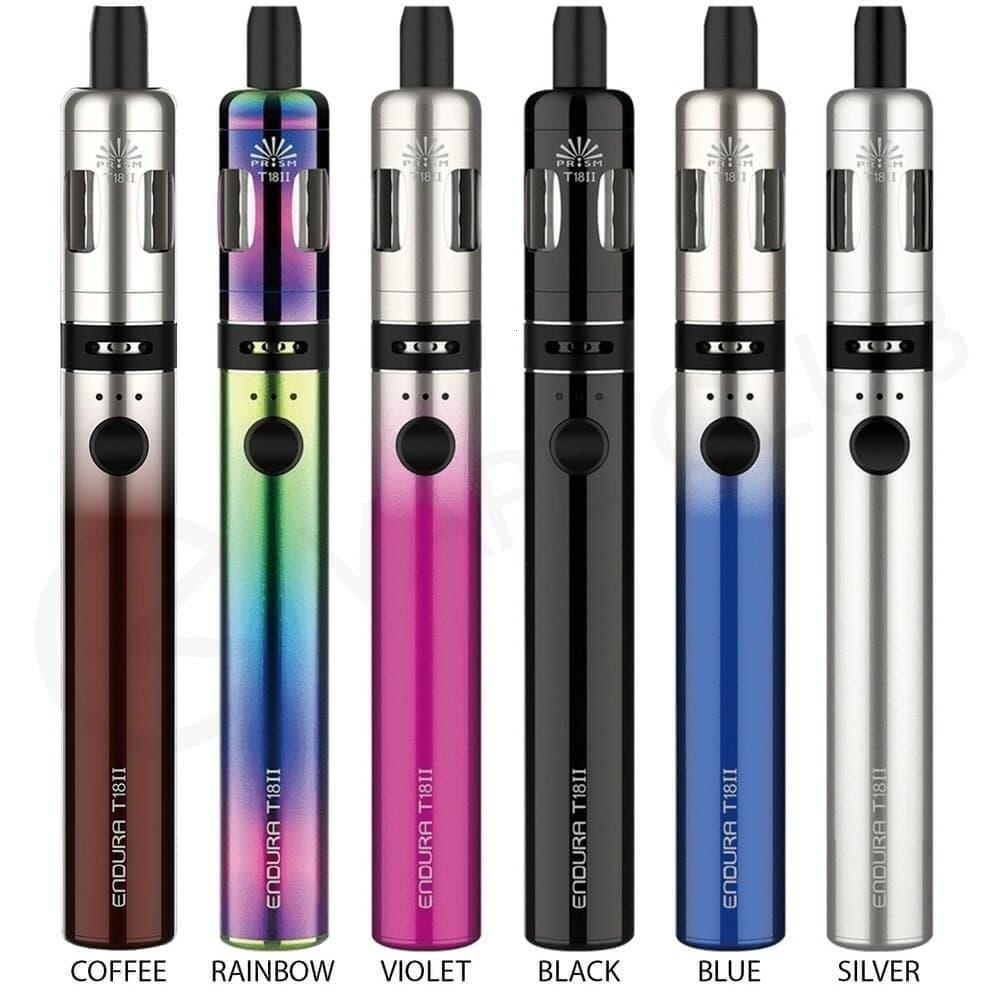
Can You Put Electronic Cigarettes in Checked Luggage? Know the Rules
According to the International Civil Aviation Organization (ICAO) and the Transportation Security Administration (TSA), electronic cigarettes are strictly prohibited in checked luggage. This is largely because the lithium batteries used in these devices pose a potential fire risk under high pressure or fluctuating temperatures in the aircraft’s cargo hold. Instead, if you wish to carry a vape device with you, it must stay in your carry-on bag or on your person throughout the flight.
Can you put e-cigarettes in checked baggage? The answer is a clear no under almost all circumstances, regardless of airline, departure, or destination country. Failing to follow these rules can lead to confiscation of your device and even hefty fines.
What About Vape Cartridges, E-liquids, and Spare Batteries?
- Vape Cartridges & E-liquids: These can usually be transported in your carry-on, but are subject to standard liquid restrictions—often a maximum of 100 ml per container, all packed in a 1-liter resealable plastic bag. Always double-check policies, as some nations have outright bans on nicotine products.
- Spare Batteries: Must also be carried in hand luggage, with protective cases covering the terminals to prevent accidental contact or short circuits. Airlines typically restrict the number and capacity (in watt-hours) allowed.

Therefore, neither your electronic cigarettes nor their battery components should find their way into checked luggage.
Step-by-Step Packing Guide for Vapers
- Detach the battery from the device if possible.
- Store e-liquids in containers of ≤100ml and seal them in a transparent plastic bag.
- Carry extra batteries in protective cases.
- Keep devices accessible in your carry-on bag, ready for screening if requested by airport security.
- Check for any additional airline or country-specific rules prior to traveling.
International Laws and Airline Policies: Key Differences
While international guidance is largely unified in forbidding e-cigarettes in checked luggage, local laws and regulations must never be overlooked. For instance, carrying vapes into certain nations such as Thailand, India, or Singapore can result in severe penalties, even if you follow all airline guidelines. Additionally, some airlines may have further requirements or restrictions around watt-hour ratings of batteries or number of devices. Always consult your carrier’s and destination country’s official resources for peace of mind.
Risks of Ignoring Regulations
If you attempt to put your electronic cigarette in checked luggage, the consequences can range from simple confiscation to more severe repercussions:
- Fines: Many airlines and airport authorities can issue on-the-spot fines for violations.
- Flight Delays: Discovery through screening processes may result in baggage delays or missed flights.
- Legal Action: Some countries treat unauthorized import or transport of vaping devices as a criminal offense.
Adhering to the rules not only keeps you traveling smoothly but also safeguards airline crew and passengers from potential hazards.
Are There Any Exceptions?
In rare cases, exceptions may exist for medical devices containing similar batteries, but standard vapes and e-cigarettes are never allowed in checked baggage. If you fly by private charter, it’s still best to check airline-specific guidelines, as international security standards generally apply.
Comparing Checked Luggage Versus Carry-On
| Item | Checked Luggage | Carry-On |
|---|---|---|
| Electronic Cigarette Device | Not Allowed | Allowed (with restrictions) |
| Spare Batteries | Not Allowed | Allowed (protected terminal) |
| E-Liquid/Pods | Allowed within liquid limits | Allowed within liquid limits |

Best Practices for Traveling with E-Cigarettes
- Familiarize yourself with the can you put electronic cigarettes in checked luggage rules before every trip.
- Store all components in sturdy cases to avoid leaks, breakage, or short circuits.
- Avoid charging your e-cigarettes during flights unless specifically permitted.
- Never attempt to vape during a flight; this may result in heavy fines or being placed on a no-fly list.
- Have your e-cigarettes easily accessible in your carry-on for quick security checks.
FAQ – Electronic Cigarettes and Air Travel
- Can you put electronic cigarettes in checked luggage under any circumstances?
- No. International and most national regulations prohibit vapes and batteries in the cargo hold for safety, regardless of the purpose or destination.
- What should I do if my destination country bans e-cigarettes?
- It is advised not to bring your electronic cigarette at all. Research local laws thoroughly and consider alternatives to avoid penalties at customs.
- How should I pack e-liquids when flying?
- Pack e-liquids in containers not exceeding 100ml, within a clear, resealable bag. Place this bag in your carry-on and be prepared to remove it during security checks.
Ultimately, while air travel may seem daunting for vapers, ensuring you don’t put electronic cigarettes in checked luggage, staying updated on all rules, and packing with care guarantees a worry-free journey. Stay compliant, be mindful of international regulations, and enjoy your travels!